
Disclaimer: Mladysrecords. This site provides fashion and lifestyle content for informational purposes only.
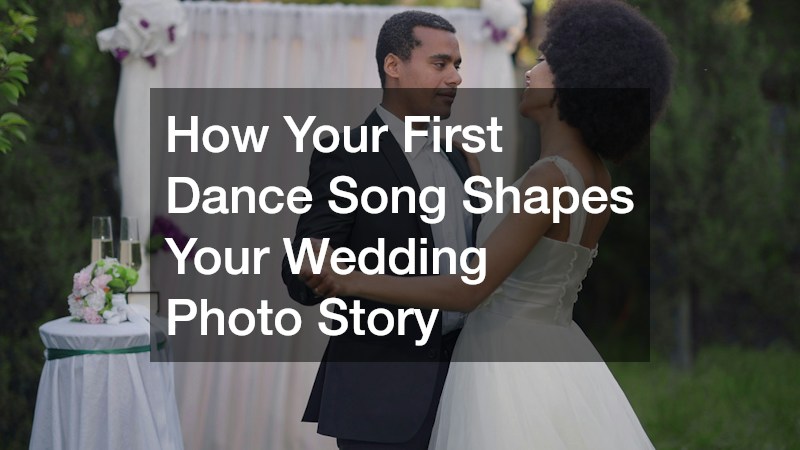
Choosing your first dance song feels like a small decision buried under a hundred bigger wedding choices, but it actually shapes far more than three minutes on the dance floor. The mood, tempo, and lyrics you pick influence how your bodies move, how your faces react, and ultimately how those private moments translate into the images you will keep forever. A slow, sentimental ballad tells a different visual story than an upbeat, playful number, and knowing this ahead of time helps you plan a photo story that actually matches the couple you are. This guide walks through how song choice connects to imagery, so you can make a decision that looks as good in photos as it feels in the moment.
Tempo Sets the Visual Rhythm of Your Photos
The speed of your song directly affects the kind of images that come out of your first dance. A slow ballad naturally encourages close holds, swaying, and long eye contact, which produce soft, romantic frames with minimal blur. A fast or upbeat track invites spins, dips, and bigger arm movements, resulting in dynamic, energetic shots full of motion and laughter. Before you finalize a song, picture the physical movement it inspires and ask whether that matches the tone you want your album to carry.
- Slow tempos favor intimate, close-up portraits with soft focus backgrounds
- Mid-tempo songs allow a mix of stillness and movement for varied shots
- Fast tempos create action shots that show personality and fun
- Tempo changes mid-song can give photographers two distinct visual moods in one dance
Lyrics Influence the Emotional Expression Captured
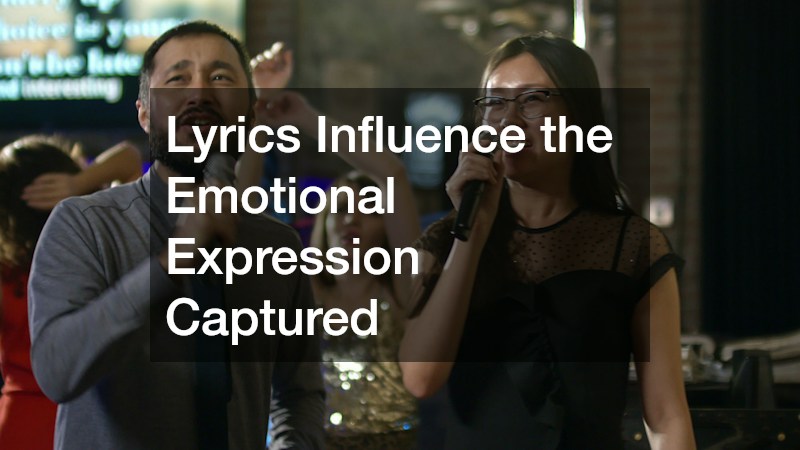
Song lyrics do more work than couples often realize, because the words playing in the background shape facial expressions in ways that show up clearly in photos. A song about long-lasting love tends to bring out gentle smiles, quiet laughter, or even happy tears, while lyrics about longing or heartache can create more serious, reflective expressions. Guests watching nearby often react to the lyrics too, and their candid expressions become part of the surrounding story captured in wide shots. Reading through the full lyric sheet, not just the chorus, helps you anticipate the emotional tone that will surface in your images.
It also helps to consider whether the lyrics tell your specific story or simply carry a pleasant melody. Couples who choose meaningful lines related to their relationship often find themselves naturally reacting with genuine emotion, since the words hit closer to home. That authenticity is exactly what turns a posed dance into a moment worth freezing in time.
Lighting and Venue Choices Should Match Your Song Mood
The atmosphere of your reception space plays a major role in how your first dance photographs, and that atmosphere should align with the emotional weight of your song. A dim, candlelit ballroom pairs beautifully with a slow, romantic track, creating warm, glowing portraits with dramatic shadows. A bright tent or outdoor space under string lights suits upbeat songs better, since the added light supports crisper images even with faster movement. Talking to your venue about lighting adjustments in advance ensures the mood you are aiming for actually translates into the final photos.
- Warm, low lighting suits slow, sentimental songs and creates soft romantic tones
- Bright, even lighting supports upbeat songs with quick movement
- Spotlighting the couple works well for dramatic ballads
- String lights or fairy lights add texture to nighttime outdoor dances
Coordinating Timing With Your Photography Coverage
Every song has a runtime, and that runtime determines how much coverage your photography team has to capture the full arc of the dance. A three minute song gives a professional wedding photographer enough time to move around the room, capture wide shots, close-ups, and candid guest reactions without feeling rushed. Think of the first minute as establishing shots, the middle stretch as the emotional core where hands touch faces and foreheads meet, and the final moments as the big finish, whether that’s a dip, a spin, or family joining in. Songs under two minutes can limit the variety of angles captured, so couples wanting a fuller photo story should lean toward songs closer to the three or four minute mark. Anything longer than four and a half minutes, though, can work against you, since guest attention tends to wander and photographers end up recycling the same angles rather than finding new ones. If your chosen song runs short, some couples opt for a seamless transition into a second track to stretch the moment without losing energy. Sharing your song choice with your photography team ahead of time allows them to plan movement and positioning around the natural build of the track. A photographer who knows the song will anticipate the key change, the tempo shift, or the moment the lyrics hit hardest, and position themselves accordingly rather than reacting a beat too late. It’s also worth flagging any choreographed moments, like a twirl or a lift, so they can be ready with the right lens and angle before it happens rather than scrambling mid-motion.
It also helps to know the structure of the song itself, including when the chorus swells, the bridge slows things down, or the tempo shifts unexpectedly, so key emotional beats are not missed. Share the song with your photographer ahead of time, or better yet, provide a timestamped breakdown noting when the lyrics turn romantic, when the music builds, and when it resolves into a quieter moment. A three-minute song might have three or four distinct shifts worth watching for, and knowing them in advance makes all the difference. A photographer who knows the timing can anticipate a big spin, a dip, or an emotional lyric and be perfectly positioned when it happens, rather than reacting a beat too late. This might mean stepping to one side before a twirl, or moving in closer for a tight shot right as the lyrics hit their most tender line. Even small adjustments in framing, timed to the music, can turn a good photo into a striking one. This kind of preparation turns ordinary coverage into a genuinely thoughtful photo story. It also reduces missed moments, since the photographer isn’t guessing when to expect the emotional high points. The result is a set of images that actually mirrors the arc of the song, from its quiet opening to its final, most memorable note.
Personalizing Song Choice for a Cohesive Photo Story
Your first dance song should feel connected to the rest of your wedding day imagery, not like an isolated moment disconnected from everything else. Couples who choose songs tied to their culture, favorite artist, or a memory from their relationship often find that the meaning shows up naturally in their expressions and poses. This consistency helps create a photo story that feels personal from the ceremony through the reception rather than a collection of unrelated pretty pictures. Thinking about your song as part of the bigger visual narrative, rather than a standalone task to check off, leads to a more meaningful final gallery.
- Choose songs tied to a real memory or milestone in your relationship
- Consider how the song connects to your ceremony music or reception theme
- Ask family members about meaningful songs if you want a nostalgic touch
- Avoid trend-driven songs that may not feel personal years later
Your first dance song is more than a romantic gesture, it is a creative decision that shapes tempo, emotion, lighting, and timing throughout your photo story. Taking a little extra time to think through these details before the big day helps ensure the images you receive truly reflect who you are as a couple. Talk with your partner about the mood you want, share your final choice with your photography and venue teams early, and let that song guide a wedding gallery you will treasure for years to come.
