
Disclaimer: Mladysrecords. This site provides fashion and lifestyle content for informational purposes only.
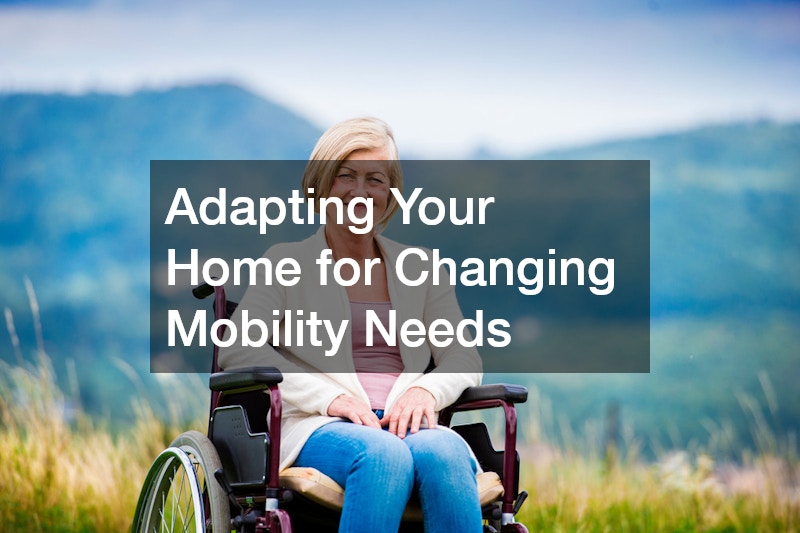
Mobility doesn’t usually disappear overnight. It shifts. It hesitates. It adapts before we do. Many women notice the change not through diagnosis, but through behavior—avoiding stairs, choosing sturdier shoes, sitting down to get dressed when they never used to. These small accommodations are not signs of weakness; they’re signals that the body is renegotiating how it moves through space.
The home, however, does not renegotiate on its own. It stays exactly as it was designed unless someone intervenes. When the environment no longer matches physical ability, daily life becomes unnecessarily exhausting. Tasks take longer. Risks increase. Confidence erodes quietly.
Adapting your home is not about preparing for “the end.” It is about extending comfort, independence, and dignity across many possible futures. The goal is to create a living space that supports you on good days and bad days alike—without stripping away warmth, beauty, or personality. Thoughtful planning allows your home to remain a partner instead of an obstacle, no matter how your mobility changes over time.
- Observe How Your Body Moves Through the House
- Address Stair Use Before Avoidance Sets In
- Plan for Vertical Movement Across Life Stages
- Rework Bathrooms to Reduce Risk and Fatigue
- Create Space for Support Without Losing Autonomy
- Align Health Coverage With Mobility Planning
- Evaluate Lifestyle Fit Beyond the Home Itself
- Recognize When Structured Support Adds Freedom
- Use Objective Data Without Losing Perspective
- Balance Independence With Community Connection
Observe How Your Body Moves Through the House

Before changing a single fixture or calling a contractor, the most powerful tool you have is awareness. Homes are often evaluated visually, but mobility issues are rarely visual problems—they’re kinetic ones. The way your body moves, pauses, compensates, or avoids tells a far more accurate story than square footage or layout diagrams.
Another overlooked aspect of mobility planning is emotional energy. Spaces that require constant micro-adjustments—shuffling furniture, bracing against counters, navigating tight corners—quietly drain confidence. Over time, people stop trusting their bodies not because their strength is gone, but because the environment keeps asking too much of them. A well-adapted home reduces decision fatigue by making movement intuitive. When pathways are clear, lighting is consistent, and commonly used items are within easy reach, the brain no longer has to calculate every step. This cognitive relief matters just as much as physical support, particularly for individuals managing pain, balance changes, or neurological fatigue that worsens under stress.
Spend time intentionally watching how you interact with your space. Notice moments of hesitation. Pay attention to where you rush because something feels awkward or unstable. These moments usually happen during transitions rather than destinations.
Common friction points include:
-
Moving from seated to standing positions
-
Navigating tight turns in hallways
-
Reaching overhead storage
-
Carrying items while walking
-
Shifting between surfaces with different textures
When people begin planning home renovations, they often focus on dramatic upgrades rather than solving these daily friction points. In reality, a widened pathway, repositioned storage, or better lighting often does more to support mobility than a large remodel. The goal is not perfection—it’s reducing strain, repetition, and risk in the places you use most.
Address Stair Use Before Avoidance Sets In
Stairs demand strength, balance, coordination, and confidence all at once. When even one of those elements becomes unreliable, stairs shift from neutral architecture to a daily source of anxiety. Many people unconsciously begin limiting stair use long before they acknowledge the issue.
Early intervention matters because avoidance reshapes behavior. People stop using entire floors of their homes, compressing life into fewer rooms and increasing clutter and frustration. This restriction often feels temporary at first but can become permanent without planning.
Stair-related strain often shows up asymmetrically, which makes it easy to dismiss at first. Favoring one leg, gripping the railing a little harder, or pausing midway up are all compensations that feel manageable in isolation. The danger lies in how quickly compensations become habits. Once fear enters the equation, posture stiffens, movement becomes rushed, and fall risk increases dramatically. Addressing stair challenges early preserves natural movement patterns. It also allows individuals to continue participating fully in household routines—laundry, bedrooms, hobbies—without shrinking their world to the ground floor, which can unintentionally accelerate physical decline through inactivity.
Installing a stair lift is not a last resort—it is often a bridge solution that allows continued access to the full home while preserving independence. When introduced early, it supports safety without forcing lifestyle changes. When delayed, it becomes a reactive fix after confidence has already been lost.
Considerations when evaluating stair solutions include:
-
Stair width, curvature, and landing space
-
Ability to sit and stand comfortably
-
Power reliability and backup options
-
Visual integration into the home
Addressing stair challenges early reframes mobility support as a proactive choice rather than a concession.
Plan for Vertical Movement Across Life Stages

Multi-level homes offer beauty, privacy, and flexibility—but they also assume consistent mobility. As needs change, vertical movement becomes a strategic concern rather than a background feature. Planning ahead allows solutions to be integrated thoughtfully instead of awkwardly.
Elevator installation is most successful when approached as part of a long-term home strategy rather than an emergency fix. Early planning allows better placement, quieter operation, and smoother integration into existing layouts. It also ensures the solution supports not just current needs, but future caregiving, equipment use, and accessibility.
Vertical mobility planning also affects resale value and generational living. Homes that support multiple levels of access appeal to a broader range of buyers and family structures, including multigenerational households. Even if you never require full assistance, future-proofing allows the home to accommodate visiting relatives, temporary injuries, or caregiving needs without disruption. Thoughtful vertical planning is not about predicting worst-case scenarios; it’s about acknowledging that bodies change faster than buildings do. When movement between floors remains effortless, the home continues to feel expansive rather than restrictive.
Important planning questions include:
-
Which floors are essential for daily life?
-
Is there space for future caregiving access?
-
How will power outages be handled?
-
Can the system support varying mobility aids?
Vertical mobility solutions are not about luxury—they’re about preserving choice. When planned early, they allow people to stay in homes they love far longer than they otherwise could.
Rework Bathrooms to Reduce Risk and Fatigue
Bathrooms are deceptively dangerous. Smooth surfaces, confined spaces, and frequent transitions create the highest injury risk in the home. Yet many bathrooms are designed for aesthetics rather than movement, forcing the body into unstable positions multiple times a day.
Bathroom fatigue is real, especially when every task requires bracing, twisting, or balancing. Many people underestimate how physically demanding hygiene routines become when joints stiffen or strength fluctuates. Over time, this leads to rushed showers, skipped grooming, or avoidance behaviors that affect both health and self-esteem. A well-designed bathroom removes these barriers quietly. When surfaces support the body instead of challenging it, daily routines regain a sense of normalcy. The psychological benefit of feeling capable in private spaces cannot be overstated—it reinforces autonomy and reduces dependence in ways that ripple throughout the rest of the day.
Effective bathroom remodeling prioritizes safety without sacrificing dignity. This means creating spaces that support balance naturally rather than relying on visible add-ons as afterthoughts. Good design makes support feel intuitive, not clinical.
High-impact changes include:
-
Step-free shower entries
-
Non-slip flooring with texture
-
Seating options that don’t feel medical
-
Lighting that reduces shadow and glare
Bathrooms should support independence even on low-energy days. When movement feels safe and predictable, confidence increases—and confidence itself reduces fall risk.
Create Space for Support Without Losing Autonomy
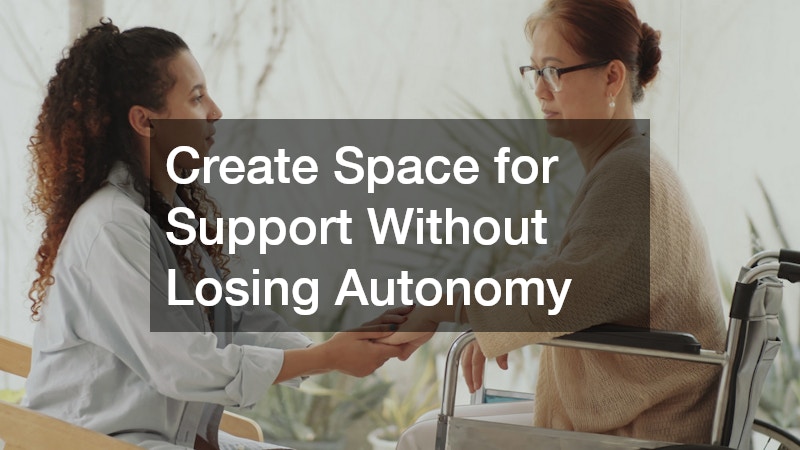
When assistance becomes part of daily life, space matters. Homes that were designed for independent movement may not accommodate caregiving efficiently, leading to stress for both parties. The goal is not to turn the home into a workplace, but to ensure that support can happen smoothly and respectfully.
Shared space becomes emotionally charged when assistance is involved. Without intentional design, caregiving can feel invasive even when everyone’s intentions are good. Spatial clarity helps maintain dignity. When movement paths are wide, seating is stable, and supplies are organized, interactions feel calmer and less transactional. This reduces friction between caregiver and recipient and allows help to feel collaborative rather than corrective. The environment sets the tone. A supportive layout communicates respect, boundaries, and trust without anyone needing to say a word.
Thoughtful home care integration means planning for privacy, movement flow, and shared space boundaries. Small adjustments—like wider clearances, seating placement, or storage changes—can dramatically improve comfort for everyone involved.
Helpful considerations include:
-
Clear walking paths free of furniture clusters
-
Seating options that support transfers
-
Storage that keeps medical items discreet but accessible
-
Private areas for rest and personal time
When support is integrated intentionally, it feels less intrusive and more collaborative.
Align Health Coverage With Mobility Planning
Mobility changes are often tied to medical realities, yet many people separate healthcare planning from home planning. This disconnect leads to missed opportunities and rushed decisions. Understanding how conditions affect movement allows better preparation.
Medical guidance often arrives piecemeal, spread across appointments and specialists. Without context, it’s difficult to translate recommendations into practical living adjustments. Taking time to understand how coverage intersects with mobility needs helps avoid fragmented planning. It also empowers individuals to advocate for themselves, asking better questions and making informed decisions before urgency dictates the timeline. When health considerations are integrated into home planning early, adaptations feel logical and measured rather than overwhelming or rushed during periods of stress or recovery.
For individuals managing circulatory conditions, understanding vascular medicare coverage can influence timing and choices around home adaptation. Knowing what services, equipment, or therapies may be supported helps align physical changes with medical realities rather than guessing.
Questions worth exploring include:
-
Which mobility aids may be recommended long-term?
-
How might symptoms fluctuate?
-
What future limitations are likely versus possible?
When healthcare knowledge informs home decisions, adaptations feel strategic instead of reactive.
Evaluate Lifestyle Fit Beyond the Home Itself
Sometimes the best adaptation is not structural—it’s situational. There comes a point when modifying a home endlessly may offer diminishing returns. Evaluating alternatives honestly helps preserve quality of life.
Attachment to a home is emotional, not just practical. Walls hold memories, routines, and identity. That attachment can make it difficult to evaluate alternatives objectively. However, lifestyle fit should be assessed honestly and without guilt. A living environment that once symbolized independence can eventually demand more effort than it gives back. Exploring options early allows people to separate fear from facts. It also opens space to imagine new forms of independence—ones supported by infrastructure, community, and reduced responsibility rather than sheer physical endurance.
Senior Living options vary widely in design, support level, and community structure. Exploring them early removes urgency from the decision and allows comparisons based on values rather than fear.
Key evaluation factors include:
-
Independence versus built-in support
-
Social engagement opportunities
-
Flexibility as needs change
-
Emotional comfort and sense of belonging
Exploration does not equal commitment. It equals preparedness.
Recognize When Structured Support Adds Freedom
Many people resist structured environments because they equate them with loss of control. In reality, the right environment often restores freedom by removing daily stressors and safety concerns.
Support structures work best when they reduce cognitive load. Managing meals, safety, medications, and maintenance requires constant attention, which becomes exhausting as mobility or stamina declines. When these tasks are shared or removed, mental energy becomes available for relationships, hobbies, and rest. This shift often surprises people who expect structured environments to feel restrictive. Instead, many find that removing daily stressors restores spontaneity. Freedom is not just about doing everything yourself—it’s about choosing where your energy goes.
Assisted living environments are most successful when chosen proactively rather than during crisis. Early consideration allows residents to transition gradually, emotionally and physically.
Signs it may be time to explore include:
-
Increasing fatigue managing daily tasks
-
Safety concerns that require constant vigilance
-
Social isolation despite best efforts
Support should feel enabling, not limiting.
Use Objective Data Without Losing Perspective
Data can guide decisions—but it should never replace lived experience. Ratings provide a snapshot, not a full picture.
Numbers can create false certainty. A high rating may mask frequent staff turnover, while a lower score may reflect outdated facilities rather than poor care. Decision-making improves when data is treated as context rather than conclusion. Visiting locations, observing interactions, and speaking with residents reveal subtleties that metrics cannot capture. Comfort, atmosphere, and communication style often matter more than amenities lists. When evaluation balances logic with lived experience, choices feel grounded rather than pressured.
Assisted living ratings help narrow options but should be paired with visits, conversations, and intuition. Culture, staff consistency, and resident satisfaction often matter more than numerical scores.
Use ratings as a filter, not a verdict.
Balance Independence With Community Connection
Some people thrive in environments that blend autonomy with shared resources. Others value privacy above all else. Understanding your preferences helps identify the right balance.
Isolation quietly accelerates physical and emotional decline. Even individuals who value solitude benefit from predictable social contact, shared resources, and communal rhythms. Community-based living offers built-in connection without requiring constant effort. At the same time, maintaining personal space and autonomy remains essential. The best environments allow residents to engage on their own terms, scaling interaction up or down as energy allows. When independence and connection coexist, mobility challenges feel less defining and life feels more expansive.
Retirement communities offer varying levels of independence, maintenance relief, and social structure. Evaluating them alongside home adaptation costs provides a clearer picture of long-term sustainability.
Community is a health factor—not a luxury.
Adapting your home for changing mobility needs is not a single decision—it’s a series of thoughtful adjustments over time. Each choice builds on the last, shaping how comfortably and confidently you move through your days.
When planning is done early and intentionally, mobility changes become manageable rather than disruptive. Your home can remain a place of ease, identity, and independence—supporting not just how you live today, but how you want to live tomorrow.
