
Disclaimer: Mladysrecords. This site provides fashion and lifestyle content for informational purposes only.
There’s something deeply satisfying about walking into an older property and imagining what it could become. The worn floors, dated fixtures, and overgrown yard might discourage some buyers, but to the right homeowner, they represent a possibility.
An aging home often comes with solid bones, established landscaping, and architectural character you simply can’t replicate in new construction. What it may lack is comfort, efficiency, and cohesion. The goal isn’t to strip away its history—it’s to shape it into a place that feels intentional, restorative, and aligned with how you live today.
Turning an aging property into a modern retreat requires restraint as much as ambition. It means knowing what to repair before you renovate, what to preserve before you replace, and where thoughtful upgrades will make daily life smoother.
The process can feel overwhelming at first. But when you approach it in phases—structural integrity, outdoor clarity, functional upgrades, and long-term maintenance—the transformation becomes not only manageable but deeply rewarding.
Let’s start from the ground up.
- Start With a Full Structural and Safety Assessment
- Clear the Landscape to Reveal the Property’s Potential
- Redesign Outdoor Living for Year-Round Enjoyment
- Upgrade Outdoor Amenities to Create a Resort Feel
- Modernize the Exterior for Instant Curb Appeal
- Rethink Interior Layouts for Open, Relaxing Spaces
- Upgrade Utilities for Comfort and Efficiency
- Plan the Renovation in Strategic Phases
- Maintain Your Modern Retreat for Long-Term Value
- Preserve Character While Introducing Modern Comfort
- Embracing the Transformation
Start With a Full Structural and Safety Assessment

Before you pick paint colors or shop for furniture, you need clarity about what’s happening behind the walls and above the ceiling.
One of the most overlooked but critical areas is the roof. Even minor deterioration can quietly cause interior damage over time. Missing shingles, soft spots, sagging lines, and granules in the gutters are early warning signs. Addressing roof repair early prevents insulation damage, warped framing, and ruined drywall later. It’s far less expensive to reinforce structural protection now than to undo widespread interior damage months from now.
Moisture is another common issue in older homes. A faint musty smell in the basement or subtle staining on ceilings can signal hidden water intrusion. Left untreated, moisture leads to mold growth, compromised structural materials, and unhealthy indoor air.
If there’s visible flooding, persistent dampness, or unexplained warping in floors and trim, it may be time to consult a water damage restoration service. Professionals can detect moisture behind walls and beneath subfloors—areas you can’t evaluate with a simple visual inspection.
When assessing structural priorities, create a hierarchy:
- Stabilize and seal the exterior envelope.
- Correct moisture intrusion and ventilation problems.
- Upgrade electrical and plumbing systems if outdated.
- Only then begin cosmetic improvements.
It’s tempting to start with visible changes. But a retreat begins with safety and stability. Once the structure is secure, every aesthetic upgrade will last longer and perform better.
Clear the Landscape to Reveal the Property’s Potential
Older homes often sit on mature lots, which is both a blessing and a challenge. Towering trees can add charm and shade, but overgrowth may threaten foundations, roofs, and underground plumbing.
Walk your property slowly and observe how the landscape feels. Are certain areas dark and crowded? Do roots extend toward the foundation? Are branches brushing the roofline?
Strategic tree removal can dramatically improve both safety and aesthetics. Removing diseased or dangerously leaning trees prevents structural risk and opens natural light to the yard and home interior. The difference in atmosphere can be immediate; sunlight alone can make a dated home feel more inviting.
After tree removal, leftover stumps can create visual clutter and safety hazards. Stump grinding eliminates these obstacles, allowing you to reimagine the yard without awkward barriers. It also prevents pests and decay from spreading underground.
Once the heavy clearing is done, you can reshape the yard’s flow. Consider:
- Creating defined garden beds instead of random plant clusters
- Establishing clear pathways from the driveway to the entry
- Framing views rather than blocking them
Sometimes, transforming a property isn’t about adding features—it’s about subtracting what no longer serves it.
Redesign Outdoor Living for Year-Round Enjoyment
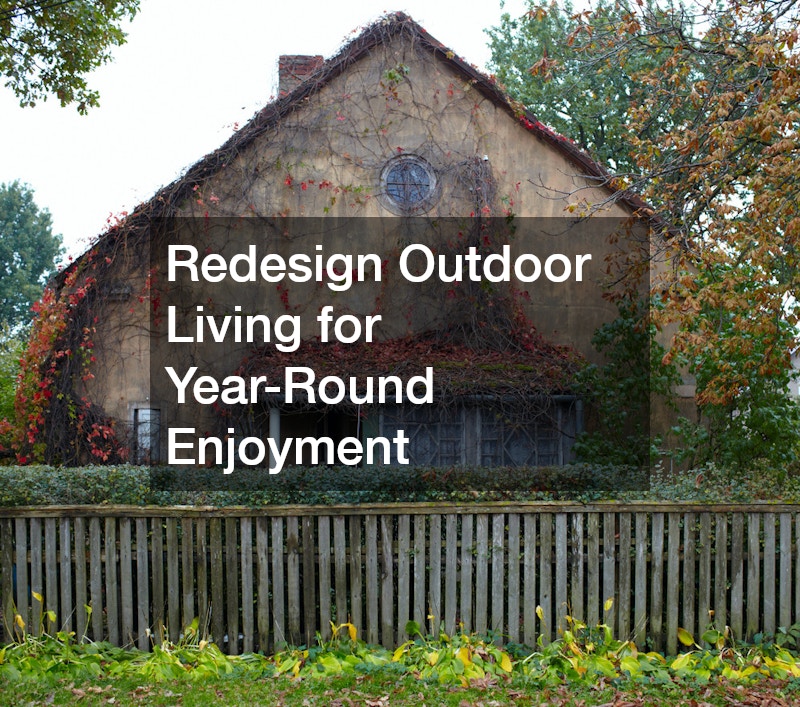
An aging home often has outdoor areas that feel disconnected or underused. A cracked concrete slab or faded deck might technically function as a patio, but it doesn’t feel like a retreat.
Instead of demolishing everything, look at how the space could evolve. Extending usability across seasons can completely change how you experience your property.
A thoughtfully designed patio enclosure, for example, allows you to enjoy outdoor views without battling wind, insects, or temperature swings. It creates a transitional space—neither fully indoors nor fully exposed—that becomes a favorite gathering area.
Climate flexibility can be further enhanced with a motorized power screen. With the touch of a button, you gain shade during peak sun hours or privacy in the evening. Unlike permanent walls, this solution adapts to your needs throughout the day.
When redesigning outdoor living areas, focus on comfort layers:
- Soft, durable seating
- Adjustable lighting for different moods
- Ceiling fans or radiant heaters, depending on the climate
- Materials that age gracefully
Imagine hosting friends on a breezy evening without worrying about mosquitoes. Or sipping coffee in the morning with filtered sunlight instead of harsh glare. These small shifts elevate daily life.
Outdoor living should feel effortless. When it does, your property begins to feel like a private escape rather than just a place to sleep.
Upgrade Outdoor Amenities to Create a Resort Feel
Some aging properties already have pools—often outdated, inefficient, or visually tired. Others may have the space to add one as part of the transformation.
The key question isn’t simply ”Should I install a pool?” but rather ”Will this enhance how I actually live?”
If a pool aligns with your lifestyle, modernization is often more cost-effective than complete replacement. Updating finishes, retiling surfaces, and installing energy-efficient pumps can revive an existing structure.
Working with experienced pool contractors helps you evaluate structural integrity, plumbing systems, and design possibilities. Ask about automation features, lighting upgrades, and water-saving technologies. A well-designed pool should blend seamlessly with landscaping and patio areas—not feel like an afterthought.
Modern pools often include:
- Integrated spas
- LED lighting systems
- Automated cleaning systems
- Sleek coping and deck materials
The result should feel cohesive. You’re not installing a backyard attraction; you’re building an environment that encourages relaxation and connection.
Modernize the Exterior for Instant Curb Appeal
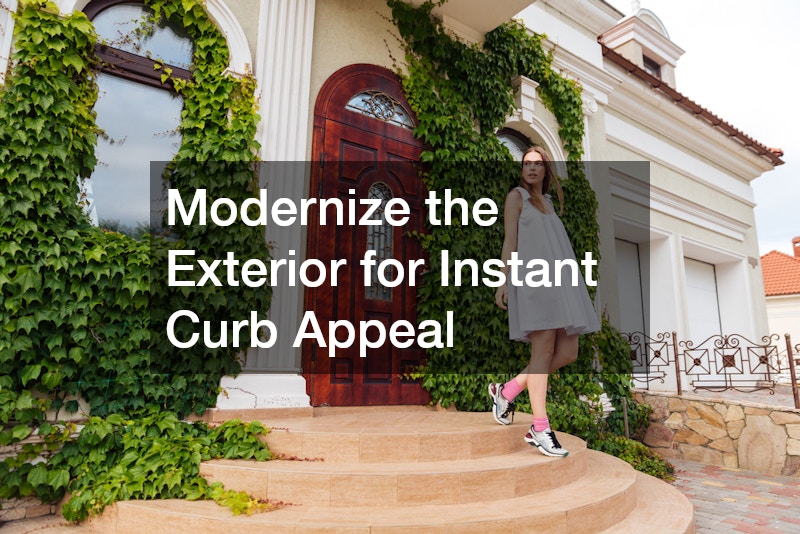
The exterior of an aging home often carries years of environmental wear—faded siding, stained driveways, dull brickwork. Before assuming everything needs replacement, consider the power of a thorough cleaning.
Professional-grade power washers can restore surfaces dramatically. Dirt, mildew, and oxidation accumulate gradually, so homeowners often underestimate how transformative cleaning alone can be. Concrete brightens. Wood regains contrast. Brick looks vibrant again.
Once surfaces are clean, evaluate what truly needs updating. Sometimes a modern front door, new hardware, or fresh trim paint makes a bigger difference than full siding replacement.
Lighting also plays a powerful role. Replace outdated fixtures with streamlined designs. Add pathway lights that guide visitors comfortably to the entrance.
Stand across the street after updates and observe the change. A cohesive exterior creates anticipation. It signals that the home inside is equally thoughtful.
Curb appeal isn’t about impressing neighbors—it’s about creating a welcoming first impression every time you return home.
Rethink Interior Layouts for Open, Relaxing Spaces
Older homes often reflect a different era of living: compartmentalized rooms, narrow hallways, and limited natural light.
To create a retreat, prioritize openness and flow.
Start by identifying which walls limit the connection. Is the kitchen isolated from the living space? Does a dark hallway block natural light? Removing or widening select openings can dramatically change the atmosphere.
Before making structural changes, consult a remodeling contractor to determine which walls are load-bearing and how to reinforce them properly. Structural alterations require careful planning, permits, and inspections. Cutting corners here can compromise safety and resale value.
Once the structure is resolved, focus on cohesion. Modern retreats often share common traits:
- Consistent flooring across the main living areas
- Neutral, calming color palettes
- Thoughtful lighting layers
- Hidden storage to reduce clutter
For example, replacing upper kitchen cabinets with open shelving or adding larger windows can visually expand space. Removing a partial wall between the kitchen and dining area may allow conversation to flow more naturally during gatherings.
You don’t need to erase architectural character. Exposed beams, original fireplaces, or vintage molding can remain focal points. The goal is balance—honoring history while allowing light and movement to define the space.
Upgrade Utilities for Comfort and Efficiency
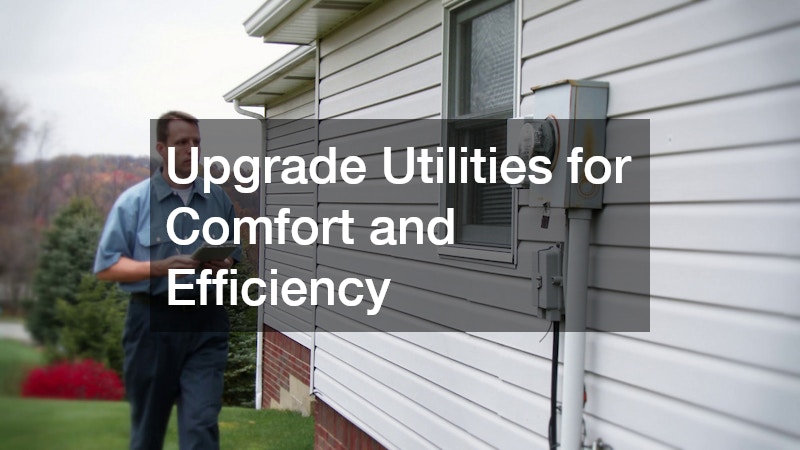
A home can look beautiful yet still feel uncomfortable if its underlying systems are outdated.
Heating, fuel sources, and backup power systems are especially important in older properties. Modernizing utilities increases reliability and reduces stress during extreme weather.
In some cases, switching or supplementing fuel sources can improve efficiency. Coordinating dependable propane delivery ensures that outdoor kitchens, fireplaces, or generators function smoothly when needed. For rural properties, reliable fuel planning is often essential.
Consider how utilities support your lifestyle:
- Do you entertain outdoors and need consistent fuel access?
- Would a backup generator offer peace of mind during storms?
- Are heating systems uneven across rooms?
Upgrading insulation, sealing drafts, and installing programmable thermostats can significantly improve comfort while lowering long-term costs.
A retreat isn’t just visually pleasing—it’s consistently comfortable, season after season.
Plan the Renovation in Strategic Phases
Large-scale transformation projects can feel chaotic without a roadmap. The most successful renovations follow deliberate sequencing rather than impulsive decision-making.
Instead of tackling everything at once, break the project into logical phases:
Phase 1: Structural stabilization and exterior repairs
Phase 2: Landscape clearing and outdoor enhancements
Phase 3: Interior layout improvements
Phase 4: Utility upgrades and finishing details
Working closely with a remodeling contractor during planning helps coordinate timelines and prevent costly overlaps. For example, there’s no sense in refinishing floors before major structural work is complete.
Budgeting should also include a contingency fund—typically 10 to 20 percent—for hidden surprises common in older homes. Once walls open, you may uncover outdated wiring or insulation issues.
Spacing projects out can also reduce stress. Living through renovation is demanding. Strategic pauses between phases allow you to evaluate progress and refine future decisions.
Transformation is a marathon, not a sprint.
Maintain Your Modern Retreat for Long-Term Value
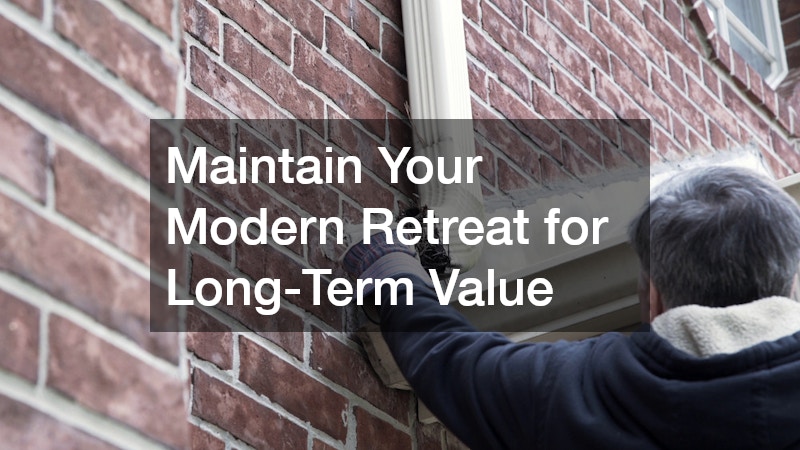
Once the renovation dust settles, ongoing maintenance preserves your investment.
Create a seasonal maintenance schedule to keep systems and surfaces in optimal condition. For example:
- Inspect roofing and gutters in spring and fall
- Trim landscaping before heavy growth seasons
- Reseal exterior wood surfaces periodically
Exterior cleaning remains important even after upgrades. Periodic use of power washers prevents mildew buildup and keeps surfaces looking fresh.
Small, consistent efforts prevent the property from slipping back into disrepair. A retreat requires care, but not constant renovation. Thoughtful maintenance ensures that your hard work continues to pay off in comfort and value.
Preserve Character While Introducing Modern Comfort
One of the biggest mistakes homeowners make when renovating an aging property is overcorrecting. In an effort to modernize, they strip away every trace of the home’s original personality. The result may look updated, but it can also feel generic.
Instead, look for opportunities to preserve meaningful architectural details. Original hardwood floors, exposed brick, ceiling beams, vintage doors, or built-in cabinetry can become defining features of your retreat. Refinishing rather than replacing these elements often maintains authenticity while improving performance.
For example, restoring original wood floors adds warmth that newer materials sometimes lack. Updating hardware on antique doors retains charm while improving function. Even repurposing old materials—such as turning salvaged wood into floating shelves—creates continuity between past and present.
The key is contrast. Pair traditional textures with clean-lined furniture. Combine classic architectural features with modern lighting. Allow history and simplicity to coexist.
A modern retreat doesn’t erase the story of the home. It builds on it carefully, respectfully, and with intention.
Another often overlooked element in transforming an older property is sound and atmosphere. Modern retreats aren’t just visually appealing—they feel calm. Consider upgrading insulation not only for temperature control but also for noise reduction. Thicker interior doors, soft textiles, and strategic landscaping can help reduce outside noise and create a quieter indoor environment.
You might also introduce subtle sensory details, such as dimmable lighting, layered window treatments, or even integrated sound systems that play soft background music. These finishing touches don’t require major construction, but they significantly influence how the space feels day to day.
Embracing the Transformation
Turning an aging property into a modern retreat is about more than renovation. It’s about redefining how a space supports your well-being.
The process requires patience, strategic thinking, and a willingness to address unglamorous structural issues before indulging in design details. It asks you to look beyond current imperfections and imagine how each improvement contributes to comfort, beauty, and ease.
When done thoughtfully, the result isn’t just a remodeled house. It’s a home that feels lighter, calmer, and more intentional—a place where old charm meets modern function.
And that’s what truly transforms a property into a retreat.
