

Disclaimer: Mladysrecords. This site provides fashion and lifestyle content for informational purposes only.
Planning a wedding that spans more than one location can feel like juggling several weddings at once, from the ceremony site to the reception venue and every celebration in between. Couples today are increasingly choosing multi-location weddings to blend tradition, travel, and personal style into one unforgettable event. The challenge is coordinating logistics, budgets, and guest experience across different settings without losing the personal touches that make a wedding memorable. This guide breaks down the key decisions couples face when planning a destination wedding with multiple stops, so you can approach the process with clarity and confidence.
Choosing Ceremony and Reception Sites That Complement Each Other

One of the first decisions in a multi-location wedding is selecting venues that feel connected in style even if they are miles apart. Many couples choose a scenic outdoor spot or historic property for the ceremony, then move guests to a separate location for the reception. Others opt for a garden ceremony followed by a ballroom reception a short drive away, blending natural and formal aesthetics into one cohesive story. When comparing wedding venues, think about how the architecture, landscaping, and overall atmosphere will photograph together, since your album will tell a single story even though the settings differ. A stone chapel paired with a sleek modern reception hall can work beautifully if you carry over a consistent color palette, floral style, or lighting design across both spaces. Ask each venue coordinator for recent photos taken during your planned season, since a site that looks lush in June might appear bare in October. It also helps to visit each site at the same time of day you plan to hold the event, so you can see the lighting and ambiance firsthand. Golden hour ceremonies require west-facing views free of harsh shadows, while evening receptions depend heavily on how well a venue’s indoor lighting and string lights or chandeliers create warmth after sunset. Finally, factor in travel time and logistics between the two locations. A gap of 30 to 45 minutes gives guests enough time to relax and transition without losing momentum, while anything longer may require organized transportation, a cocktail hour buffer, or printed directions to keep everyone on schedule.
Beyond aesthetics, practical factors like parking, accessibility, and capacity matter just as much as beauty. A location that looks stunning in photos but lacks restrooms or shade for elderly guests can create unnecessary stress on the day itself. Consider whether the ceremony site can comfortably accommodate your full guest list plus a small buffer for last-minute additions, and confirm that the reception venue’s capacity isn’t just “fits” but “fits comfortably” with room for a dance floor, bar, and gift table. Distance between the two sites deserves equal scrutiny. A 45-minute transfer might look scenic on a map but can eat into cocktail hour and leave guests restless, especially if transportation depends on a single shuttle making multiple trips. Aim for a gap of no more than 20-30 minutes whenever possible, and always have a backup transportation plan in case of traffic or mechanical delays. Ask venue coordinators about backup plans for weather, noise restrictions, and vendor policies before signing any contracts. Find out if outdoor ceremony sites have a covered alternative on standby, and how much notice they need to execute it. Noise ordinances can also cut receptions short in certain municipalities, so confirm curfews, amplified sound limits, and whether outside caterers, florists, or rental companies are permitted at all.
- Confirm whether outdoor and indoor spaces are both available in case of rain, and ask how much lead time you’ll get before the venue makes the call
- Ask about maximum guest capacity for both ceremony and reception areas, plus how numbers shift if extra tables, a dance floor, or a stage are added
- Check if the venue has an in-house coordinator or requires you to hire one, and clarify exactly what day-of duties they cover
- Review cancellation and rescheduling policies carefully, including deposit refund timelines and fees for postponing due to weather or travel disruptions
- Consider the distance and travel time between ceremony and reception sites so guests aren’t stuck commuting for over 30-45 minutes
- Ask whether the venue allows outside vendors, or if you’re locked into a preferred list that may raise costs
- Walk the reception space at the same time of day as your planned event to check lighting, noise, and sun glare
Selecting a Ceremony Space With Personal Meaning
Some couples prefer the intimacy and simplicity of a dedicated ceremony space rather than an open-air setting, especially if weather or formality is a concern. A wedding chapel offers a controlled environment with built-in seating, sound systems, and often a resident officiant who can guide the ceremony smoothly. This option works particularly well for couples who want a shorter, more traditional service before traveling to a separate location for the celebration. It also reduces the need for extensive decor, since many chapels already have architectural details that photograph beautifully on their own.
Choosing this kind of space can simplify logistics for guests traveling from out of town, since it typically sits closer to hotels and transportation hubs than a remote outdoor site. Couples who want a more relaxed timeline often appreciate that these venues handle setup and teardown internally, freeing up planning time for other parts of the event. Being centrally located also means jewelry stores, tailors, and other last-minute errands are often just a short trip away, which can be a relief if a ring needs resizing or a groomsman’s cufflinks go missing before the ceremony.
Coordinating Transportation Between Multiple Wedding Stops
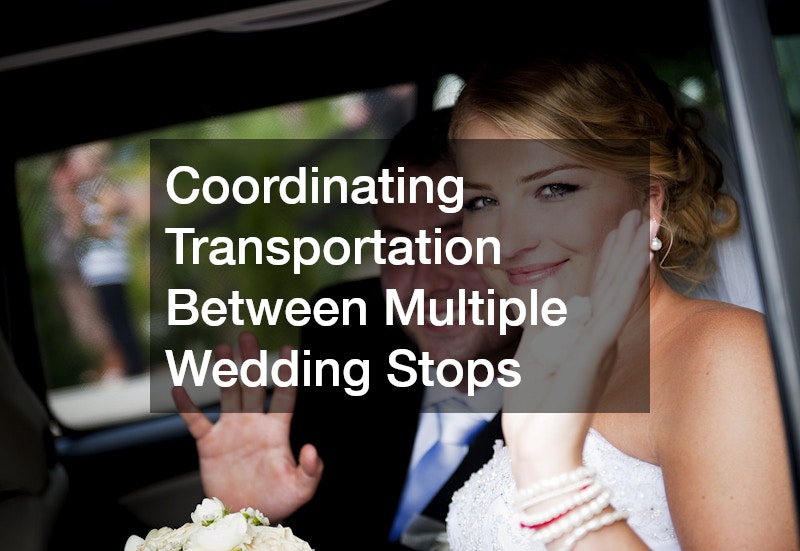
When your celebration spans more than one address, getting guests from point A to point B becomes a real planning challenge. Arranging a reliable wedding shuttle service takes the guesswork out of travel and ensures everyone arrives on time without needing to navigate unfamiliar roads. This is especially important for destination weddings where guests may not be familiar with local traffic patterns or parking availability. Start by mapping out every stop on the itinerary, from the welcome reception to the ceremony site, photo locations, and the final reception venue. If any leg of the journey takes longer than 20-30 minutes, consider adding a second shuttle loop so guests aren’t left waiting too long between pickups. Booking vehicles that match your guest count also matters — a 12-person van won’t cut it for a wedding party of 80, so confirm capacity well in advance. Timing is everything when coordinating a wedding shuttle across multiple locations. Build in buffer time for loading, unloading, and unexpected delays like road closures or weather, and share a printed or digital schedule with drivers and guests alike. Many couples designate a point person, often a wedding planner or trusted family member, to communicate any last-minute changes to the transportation team. Finally, think about the guest experience during transit, not just the logistics. Cold water bottles, a curated playlist, or a short welcome note from the couple can turn a simple shuttle ride into part of the celebration itself. Small touches like these reassure guests that every detail, even transportation, has been thoughtfully planned.
Beyond convenience, organized transportation also keeps the timeline on track, since drivers can be briefed on exact pickup and drop-off windows. Sharing a written schedule with names, phone numbers, and vehicle assignments prevents the confusion that often happens when guests scatter across multiple hotels or villas. Couples should map out the full day, including buffer time for photos and unexpected delays, before finalizing shuttle schedules. A good rule of thumb is to add 15-20 minutes of cushion between each leg of the journey, especially when traveling between venues in unfamiliar towns, on narrow coastal roads, or across islands where ferry timing matters. It’s also worth considering group size and mobility needs when selecting vehicles. Larger weddings might need a mix of coach buses for guests and smaller cars or golf carts for the wedding party, while elderly guests or those with limited mobility may require closer drop-off points or extra assistance getting in and out. Finally, appointing a point person, whether a wedding planner, coordinator, or trusted family member, to communicate with drivers in real time can solve problems before they become visible to guests. This person can track flight delays, reroute vehicles if a road is closed, or simply reassure a driver that the group is running five minutes behind schedule.
- Confirm shuttle capacity matches your guest count, adding a 10-15% buffer for last-minute additions or plus-ones
- Provide drivers with printed directions, a backup paper map, and contact numbers for the venue coordinator and on-site planner
- Schedule pickups at least 30 minutes before the ceremony start time, and 45-60 minutes if traveling between towns or over water
- Consider a separate shuttle run for elderly guests or those with mobility needs, ideally with a vehicle offering easier step-up access
- Post a clear schedule with departure times and locations in guest welcome bags and hotel lobbies
- Assign a point person at each pickup location to check guests off a list and radio the coordinator if a shuttle runs behind
- Build in a small cushion between shuttle runs so drivers aren’t rushing back for the next group
Sourcing Food and Desserts That Reflect Your Story

Food is often the centerpiece of the reception experience, and choosing the right catering team can shape how guests remember the entire event. Many couples now look for caterers who can adapt menus to reflect a destination theme or cultural background, offering a more personal touch than a standard banquet menu. It is worth requesting tastings well in advance and asking how the team handles dietary restrictions, since guests traveling from different regions may have varied needs.
Dessert can be just as memorable as the main course, and adding a regional touch often surprises guests in the best way. Italian pastries like cannoli, tiramisu, or a delicate sfogliatelle display can serve as an elegant alternative to a traditional cake, especially for couples drawing inspiration from an Italian-style celebration. Pairing these sweets with an espresso bar at the end of the night gives guests a memorable send-off that feels intentional rather than an afterthought.
Planning a Rehearsal Dinner Guests Will Remember
The night before the wedding sets the tone for the entire weekend, and choosing the right setting matters more than couples often expect. Booking a private room at the best restaurant in the area gives out-of-town guests a taste of local flavor while keeping the group together in one intimate setting. Look for a venue that can comfortably seat your full guest list, offers a semi-private or fully private space, and has a chef willing to build a custom menu around regional specialties. Aim to finalize this booking four to six months in advance, especially if the wedding falls during peak travel season, since the best spots tend to fill up quickly. Ask about noise levels, buyout minimums, and whether the restaurant allows outside decor or a small sound system for speeches — these details can make or break the evening’s flow. This is also a good opportunity to thank guests who traveled a long distance and to give family members a chance to speak before the more formal wedding day. Consider keeping toasts to three or four people and capping the evening around two and a half hours so guests have time to rest before the main event. A relaxed, well-paced dinner often ends up being the moment guests remember most fondly.
When selecting a rehearsal dinner spot, consider the restaurant’s ability to accommodate your group size comfortably without feeling cramped or rushed. A cozy trattoria might charm two dozen guests but feel chaotic with fifty, so match the venue’s scale to your actual headcount, plus a few extra seats for last-minute additions. Ask about private dining options, minimum spend requirements, and whether they can customize a set menu for your party. Many venues require minimums ranging from $2,000 to $10,000 depending on location and season, so clarify this early to avoid surprises on the final bill. It’s also worth asking about timing flexibility, since rehearsal dinners often run two to three hours and you don’t want staff rushing dessert service because another party is booked right after. Inquire about dietary accommodations, corkage fees if you’re bringing your own wine, and whether they allow decor like table runners or menu cards that match your wedding’s overall aesthetic. Finally, request a tasting if the group size and budget justify it, especially for destination venues where you can’t easily visit in advance. This gives you a chance to confirm quality, portion sizes, and presentation before committing to a menu for thirty or more guests.
- Request a private or semi-private room for groups larger than fifteen guests, and ask if there’s a food and beverage minimum attached
- Ask about noise levels if you plan to give speeches or toasts, especially if the venue hosts other events simultaneously
- Confirm whether outside desserts, favors, or décor are allowed on-site, and whether extra setup or cleaning fees apply
- Book at least two to three months ahead for weekend dates, or up to six months for popular destination spots during peak season
- Choose a menu style — plated, family-style, or buffet — that matches your guest count and the room’s layout
- Share the final headcount and any dietary restrictions with the venue at least one week in advance
Selecting Rings and Adornments for the Occasion
While venues and logistics often take center stage in planning conversations, choosing the right rings deserves just as much attention and time. Couples who want something truly unique often turn to custom engagement rings, working with a designer to incorporate meaningful stones, engravings, or family heirlooms into a one-of-a-kind piece. This process typically takes several weeks to a few months, so it is best started well before the wedding date is finalized.
Beyond the engagement ring, many couples also shop for wedding bands and other fine jewelry to complete their bridal look, from earrings to bracelets that coordinate with the dress or suit. Comparing craftsmanship, materials, and design details across a few options allows couples to make a confident choice, since this purchase is one that will be worn daily for years to come. Taking time to research reputable designers also helps ensure proper certification and warranty coverage on higher-value pieces.
A destination wedding across multiple locations requires more coordination than a single-site celebration, but the payoff is a richer, more memorable experience for you and your guests. Start by locking in your ceremony and reception spaces, then work outward to transportation, food, and the smaller details that tie everything together. Give yourself a realistic timeline, lean on local vendors who know the area well, and revisit your checklist regularly as plans evolve. With thoughtful planning, the distance between locations becomes part of the adventure rather than a source of stress.
